Vietnamese Cooking Classes in Ho Chi Minh City
What is a Vietnamese cooking class in Ho Chi Minh City actually like?
Most city cooking classes follow the same shape: a small group meets a chef or host, walks through a local market or street to see and sometimes buy fresh ingredients, then moves into a kitchen space to cook and eat together. It is an urban, hands-on format built around Saigon's own street-food repertoire, distinct from the rural, family-style cooking experiences offered in the Mekong Delta.
Market to Kitchen: How a Cooking Class Works in Saigon
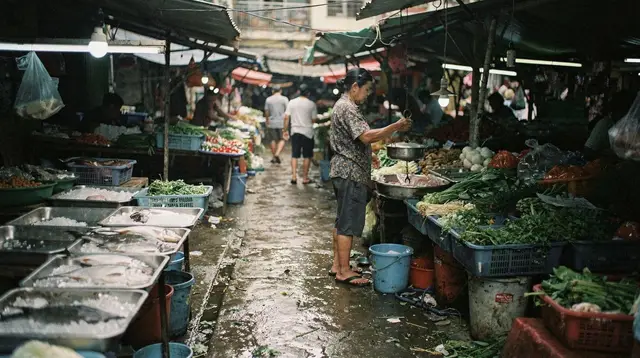
Ho Chi Minh City’s food culture is loud, fast, and largely lived on the street, which is exactly what a city-based cooking class tries to bottle into a few hours. The format has settled into a familiar shape across most operators: guests meet at a fixed point, usually somewhere in District 1, then walk through a market or a stretch of street stalls with a host who points out ingredients most visitors would otherwise walk past — the different types of rice noodle, the fresh herbs sold in loose bunches, the fish sauce graded by color and price.
From there the group moves to a kitchen or cooking studio, where the chef demonstrates each dish before guests cook it themselves, usually finishing by sitting down together to eat what they made.
This is different from simply eating well in the city. A district 1 walking food tour or a motorbike food crawl is about tasting a wide range of dishes made by other people; a cooking class is about learning to make a smaller set of dishes yourself, with someone standing beside you correcting your knife grip or your ratio of fish sauce to lime. If you only have time for one, the choice usually comes down to whether you want to eat as much as possible or leave with a skill.
a small-group homestyle cooking class that pairs a market visit with hands-on cooking in Ho Chi Minh City is the most common entry point for first-time visitors, since it is built around everyday home cooking rather than restaurant technique, and does not assume any prior kitchen experience.
City Class vs. Mekong Delta Homestay Cooking: The Distinction That Matters
This is the confusion worth clearing up before booking anything. Ho Chi Minh City sits at the edge of two very different food-experience formats, and travelers researching “cooking class near Saigon” often end up comparing the wrong things.
A city cooking class is an urban product. It runs inside Ho Chi Minh City itself, usually in or near District 1 or Cholon, takes a few hours, and is built around a market stop plus a structured kitchen session with a chef. It fits neatly into a single morning or afternoon alongside other city plans.
A Mekong Delta homestay cooking class is a rural product. It happens well outside the city, in towns like My Tho, Ben Tre, or further toward Can Tho, and is usually folded into a longer Mekong Delta day trip or overnight stay. The setting is a family home or a working orchard rather than a dedicated kitchen studio, the pace is slower, and the experience is framed around rural, family-style life — often alongside a boat ride along the canals — rather than around technique.
Neither format is better; they answer different questions. Someone with a single free morning in the city wants the city class. Someone already spending a day or two in the Mekong Delta gets more out of folding cooking into that rural day than adding a separate trip back into the city for it.
| Format | Where it happens | Setting | Usually paired with |
|---|---|---|---|
| City cooking class | Ho Chi Minh City, typically District 1 | Dedicated kitchen or cooking studio | A city market visit, sometimes a half-day city itinerary |
| --- | --- | --- | --- |
| Mekong Delta homestay cooking | My Tho, Ben Tre, or further into the delta | Family home or garden setting | A Mekong Delta day trip or boat excursion |
The floating market mix-up
One specific error is worth naming directly: a Ho Chi Minh City cooking class does not include a floating market visit. Floating markets, including the well-known Cai Rang floating market, operate on the water near Can Tho, roughly three hours from the city, and trade in the very early morning. They belong to Mekong Delta itineraries, not to anything based in the city. If a market stop is part of your cooking class, expect a land-based market like Ben Thanh Market or a smaller neighborhood wet market, not a boat-based one.
What a City Cooking Class Actually Teaches
Rather than promising a fixed count of dishes or a set menu, most classes draw from a rotating shortlist of southern Vietnamese staples that travel well as teaching dishes: fresh spring rolls, a version of pho or a lighter noodle soup, a simple grilled or stir-fried protein, and a dipping sauce built around fish sauce, lime, sugar, and chili in proportions the chef will insist you taste and adjust yourself rather than measure. Some classes lean specifically into one technique, such as the folding and rolling used for fresh spring rolls, rather than covering a broader spread.
a class focused specifically on Vietnamese spring rolls, from prepping the fillings to rolling technique is a good fit for anyone who wants to go deep on one dish rather than sample a wider menu, and it tends to run shorter than a full multi-dish homestyle class.
What gets taught matters less than the household logic behind it: nothing in southern Vietnamese cooking is really measured. Herbs are added by handful, fish sauce by taste, chili by tolerance. A class spends as much time teaching that improvisational instinct — taste, adjust, taste again — as it does teaching any single recipe, which is part of why the same class can feel different from one group to the next even when the dishes on the board are identical.
Group, Private, or Local-Style: Choosing a Class
The three most common formats travelers weigh against each other are a standard small-group class, a private class built around one household or family, and a spring-roll-specific session for a shorter, narrower experience.
A private class tends to slow the pace down and puts the host’s own routines at the center of the session rather than a fixed script for a rotating group. a private cooking class built around a local household’s own daily cooking routine suits travelers who want more conversation and flexibility than a scheduled group session allows, at the cost of a higher per-person price than joining a shared class.
Group classes, by contrast, are the default for solo travelers and couples who want the market-and-kitchen format without arranging a private booking, and they are generally the easiest to slot into a short Ho Chi Minh City stay without much advance planning.
Where in the City These Classes Happen
Most operators run out of central neighborhoods rather than the outer districts, for the simple reason that markets, ingredients, and easy transport all cluster there. District 1 is the most common base, close to Ben Thanh Market and the walkable core of the city.
Some operators instead work out of Cholon, the historic Chinatown spanning District 5 and District 6, which brings a different ingredient mix shaped by the neighborhood’s Chinese-Vietnamese food traditions. A smaller number of hosts run classes from residential kitchens further from the center, trading convenience for a more domestic, less touristed feel — worth asking about directly if that is what you are after.
Since these classes are based in the city rather than requiring travel out to a day-trip destination, they slot easily into a broader city visit. Pairing one with a morning at the War Remnants Museum or an afternoon exploring Cholon’s pagodas is a common way to build out a single day without needing a car or driver for anything beyond the class itself.
What to Bring and What to Expect on the Day
Classes are hands-on and involve heat, knives, and a working kitchen, so closed-toe shoes and clothing you don’t mind getting a little splashed or smoky are worth planning for. Most operators supply an apron and all equipment, and dietary needs — vegetarian, allergies, spice tolerance — are best flagged when booking rather than announced on arrival, since ingredient lists for the market stop are often planned in advance.
Because the market portion typically happens before the cooking, expect some walking through busy, humid streets before you reach an air-conditioned or at least covered kitchen space. This is also where the class earns its context: seeing fresh herbs, unfamiliar fruit, and the layout of a working Vietnamese market gives the cooking that follows a sense of where the ingredients actually come from, rather than treating them as items pulled from a pre-packed kit.
Pairing a Cooking Class with the Rest of Your Trip
A cooking class works well as one piece of a broader stay in the city rather than as a full day on its own. Travelers building a short itinerary around food and craft often combine it with other hands-on activities available in the city, since Ho Chi Minh City has developed a wider workshop scene beyond the kitchen. a glass painting workshop offered in the city as another hands-on craft activity is one option travelers add alongside a cooking class when they want a second creative session that doesn’t involve food at all, since the two are unrelated enough not to compete for attention on the same day.
For travelers who want to compare the city experience against the rural alternative before deciding, it’s worth reading through what a homestay cooking class in the Mekong Delta actually involves, or browsing the wider set of Mekong Delta craft workshops available outside the city. Neither replaces the other — many travelers end up doing both, one in the city near the start of a trip and one folded into a delta day trip later on.
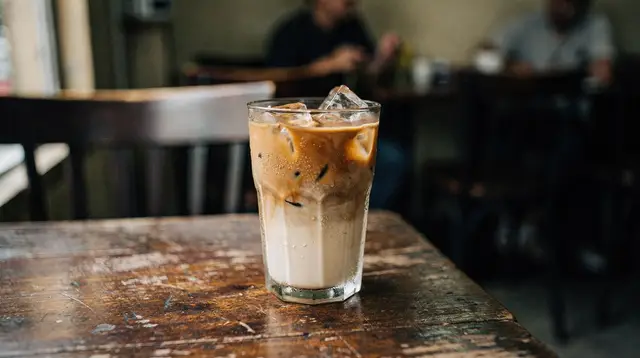
If food is the main draw of your visit rather than a single afternoon activity, it’s also worth looking at the city’s vietnamese coffee culture, which runs on a completely different rhythm from a cooking class but rounds out the same interest in how southern Vietnamese daily life actually works around food and drink. And for orientation before booking anything, the Ho Chi Minh City destination overview and the Ben Thanh Market guide cover the neighborhoods most classes are based around.
Cooking Class FAQ: What to Know Before Booking in Ho Chi Minh City
Does a Ho Chi Minh City cooking class include a floating market visit?
No. Floating markets such as Cai Rang are a Mekong Delta feature, reached from Can Tho, not from the city. A cooking class based in Ho Chi Minh City typically visits a city market like Ben Thanh or a neighborhood wet market instead.
How is a city cooking class different from a Mekong Delta homestay cooking experience?
A city class is an urban format: a chef-led session in a fixed kitchen or cooking studio, often paired with a nearby market walk. A Mekong Delta homestay cooking experience takes place in a rural, family setting, usually alongside a boat trip or garden visit, with a slower, more domestic pace.
Do I need cooking experience to join a class?
No. These classes are designed for travelers with no prior experience and are usually taught in English or with an interpreter, with each step demonstrated before guests repeat it themselves.
Are vegetarian or vegetarian-adaptable classes available?
Many operators can adapt at least part of a class for vegetarian diets on request, since Vietnamese cooking already leans on herbs, tofu, and vegetables; it is worth flagging dietary needs when booking rather than on arrival.
Where in the city do these classes usually happen?
Most are based in or near District 1, sometimes with a market stop in Ben Thanh Market or a smaller neighborhood market, though some operators run sessions from kitchens in quieter residential streets.
Is a market visit always part of the class?
Many formats include one, since seeing ingredients before cooking is part of the appeal, but not every class is built the same way. It is worth checking what a specific listing includes before assuming a market stop is guaranteed.
Can a cooking class be combined with other things to do in the city?
Yes. Because sessions are based in the city rather than requiring a day trip out, they pair easily with a half day of sightseeing, a market walk, or an evening out, rather than taking up an entire day on their own.
Street Food Tours and Vietnamese Cuisine Tastings
Verified deep-linked GetYourGuide tours. Book through these links and we earn a small commission at no cost to you.
GetYourGuide does not provide a product photo for this activity — the image shows the meeting point, photographed by us.