Tipping in Vietnam: What I Actually Do in Ho Chi Minh City
Do you need to tip in Ho Chi Minh City and southern Vietnam?
Tipping isn't obligatory anywhere in Vietnam, but it has become a normal, appreciated gesture on tourist-oriented services in the south, such as tour guides, drivers, and upscale restaurants. In everyday local eateries, street stalls, and small family-run shops, it's still rare and not something staff expect.
Why Tipping Confused Me the First Time I Visited
I remember standing at a street food stall in District 1 my first week in Ho Chi Minh City, unsure whether to leave money on the little plastic stool that served as my table. Nobody looked at me expectantly. Nobody hinted. I left a small amount anyway, out of habit, and the vendor seemed genuinely puzzled rather than pleased. That moment taught me more about tipping in Vietnam than any guidebook had.
The confusion runs in both directions, and I’ve watched other travelers fall into either trap. Some assume a service charge or tip is automatically folded into the price, the way it sometimes works elsewhere, and they underpay or walk away assuming they’ve already covered everything. Others swing the opposite way, treating Vietnam like the United States, where tipping feels close to mandatory, and they leave money everywhere out of anxiety about being rude. Neither instinct fits what’s actually happening on the ground here.
The Real Pattern I’ve Noticed
After enough time moving between Ho Chi Minh City and the surrounding region, a pattern became obvious to me. Tipping isn’t a fixed rule in southern Vietnam; it’s a gradient that shifts depending on how tourist-facing the service is.
At one end of that gradient sit the local institutions: neighborhood pho stalls, family-run com tam counters, wet markets, the kind of places where the same family has been cooking the same dishes for years. Tipping there simply isn’t part of the culture. Staff aren’t trained to expect it, and offering money beyond the bill can occasionally create an awkward moment rather than warm gratitude, because it isn’t read as generosity so much as a strange gesture from a foreigner.
At the other end sit the businesses built specifically around visitors: private drivers, licensed tour guides on day trips out to the Mekong Delta or the tunnels near Cu Chi, boutique hotels, spas, and upscale restaurants aimed at an international clientele. In these settings, tipping has genuinely become part of the expected rhythm of the transaction over the past several years, even though it remains discretionary rather than compulsory. Nobody will chase you down for it, but it is noticed and welcomed.
Where I Actually Tip
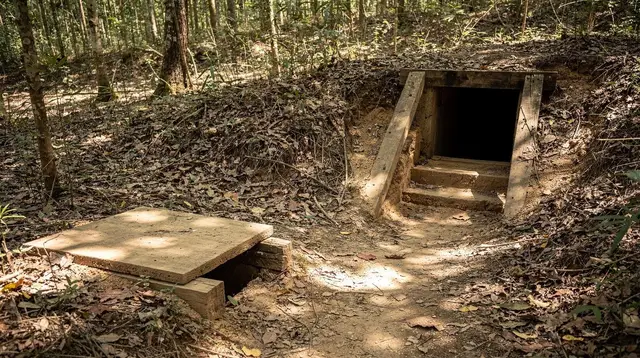
When I book a day trip, whether it’s a half-day out to the tunnels or a longer excursion toward the delta, I tip the guide and driver at the end if I felt they did their job well. It doesn’t need to be dramatic or calculated to a formula; a simple gesture at the end of the day, handed directly rather than left on a table, tends to be the most natural way to do it. If you’re weighing which excursion to book in the first place, the half-day Cu Chi Tunnels trip is the one I still recommend most often to first-time visitors, precisely because the guides tend to be attentive and worth acknowledging.
On a full day into the delta, the same logic applies, and I’ve found the smaller-group format changes the dynamic in a good way. The small-group Mekong Delta day trip puts you with a guide who has more time for each traveler, which is exactly the kind of personal attention that, in my experience, tends to invite a tip at the end.
Dinner cruises sit somewhere in between a restaurant and a tour, and I treat them the same way I’d treat any upscale meal here: I tip if the service was warm and attentive, skip it if the evening felt purely transactional. If you’re deciding between options along the river, the Saigon River buffet dinner cruise is a comfortable, service-forward choice where a small tip for the waitstaff feels natural at the end of the meal.
The Two Misconceptions Worth Correcting
The first misconception I keep running into is the belief that a tip is already baked into the bill, the way a service charge sometimes is elsewhere. In most of the venues you’ll actually use in Ho Chi Minh City, that isn’t the case. Occasionally a fancier restaurant will add a service charge line to the printed bill, but plenty of tourist-facing places simply don’t, and assuming otherwise means a guide or waiter who earned recognition gets nothing extra.
The second misconception is the reverse: assuming every interaction demands a tip the way it might in the U.S., where service workers’ wages are structured around gratuities. That framework doesn’t transfer here. Vietnamese service staff, including in tourist settings, aren’t compensated on the assumption that tips make up the bulk of their income, which is exactly why tipping remains a bonus rather than an obligation, even where it has become common.
How I Decide, Case by Case
I don’t carry around a mental chart for this. I ask myself a simpler question: was this an experience shaped by a specific person’s effort, or a routine local transaction? A guide who adjusted the day around my questions, a driver who waited patiently in the heat, a waiter at a nicer restaurant who went out of their way, those are moments where a tip feels like the right closing note. A quick bowl of noodles at a corner stall, a motorbike taxi ride, a purchase at Ben Thanh Market, those don’t call for it, and offering one there says more about my own habits than about local expectations.
If you’re planning where to stay while you sort all this out, our guide on where to stay in Saigon by neighborhood is a useful starting point, and if you’re still finalizing entry paperwork, the visa and e-visa guide is worth reading before you fly. For a broader sense of daily costs beyond tipping, our piece on budget travel in Ho Chi Minh City covers the fuller picture. And if you’d rather have a driver and guide dedicated to just your group for the day, a private tour tends to be exactly the setting where a thoughtful tip lands best.
For a romantic evening on the water where the same logic applies, I’ve also enjoyed the Saigon River dinner cruise for couples, and the classic Mekong Delta day tour if you want the fuller delta experience with a guide worth thanking at the end.
None of this touches on overcharging or the handful of scams travelers sometimes run into around busy tourist strips, which I’ve covered separately in our piece on common scams in Ho Chi Minh City. Tipping and being overcharged are different problems entirely, and conflating them tends to make people needlessly suspicious of ordinary, well-earned gratitude. For the wider etiquette picture, our guide to Vietnamese customs and our notes on street food safety round things out nicely alongside this one.
If you want a broader sense of the region before you commit to an itinerary, the Can Tho area and a proper cyclo tour through the old center are both good ways to see how service culture varies even within the city itself, and a cooking class is a nice, low-pressure setting to practice the habit in.
Tipping in Southern Vietnam, at a Glance
| Setting | Common now? | My approach |
|---|---|---|
| Street food stalls, local eateries | Rare | Skip it |
| --- | --- | --- |
| Tour guides and private drivers | Increasingly common | Tip if the day went well |
| --- | --- | --- |
| Upscale restaurants and dinner cruises | Common | Tip for attentive service |
| --- | --- | --- |
| Hotels, bellhops, housekeeping | Common in higher-end places | Small, discretionary |
| --- | --- | --- |
| Motorbike taxis and ride-hailing apps | Rare | Round up, not required |
| --- | --- | --- |
| Markets and small local shops | Not customary | Skip it |
Tipping in Vietnam: Common Questions
Is tipping mandatory in Ho Chi Minh City?
No. Tipping is never obligatory anywhere in Vietnam, including in Ho Chi Minh City. It’s a discretionary gesture, not a fixed requirement built into any transaction.
Is a tip already included in the bill at restaurants?
Not usually. Unlike some countries where a service charge automatically covers this, most restaurants and tour operators in the south don’t fold a tip into the price, though a few upscale places may add a separate service charge line.
Should I tip at local street food stalls?
Generally no. Tipping isn’t the custom at everyday local eateries, street stalls, or small family-run shops, and it can even come across as an odd gesture rather than a welcome one.
Do tour guides and drivers expect a tip?
It has become increasingly common to tip guides and drivers on tourist day trips in the south, though it remains a bonus rather than something demanded or assumed.
How is tipping different from tipping in the United States?
Vietnamese service workers aren’t paid on the assumption that tips make up a large share of their income, unlike the U.S. system, so tipping here stays optional and appreciative rather than structurally expected.
Should I tip at hotels?
At higher-end hotels aimed at travelers, a small tip for housekeeping or bellhop service is a nice, increasingly normal gesture, though it isn’t demanded anywhere.
Is tipping different in the Mekong Delta compared to the city?
The same gradient applies: tourist-oriented boat trips and guides in the delta follow the same increasingly common tipping custom as in the city, while local family-run stops along the way generally don’t expect it.
Does this page cover overcharging or scams?
No, that’s a separate topic. This page is only about the custom of tipping; overcharging and common tourist scams are covered in our dedicated guide on that subject.
tours.Money
Verified deep-linked GetYourGuide tours. Book through these links and we earn a small commission at no cost to you.
GetYourGuide does not provide a product photo for this activity — the image shows the meeting point, photographed by us.