What to Pack for Ho Chi Minh City
What should I pack for Ho Chi Minh City?
Pack light, breathable, quick-dry clothes for the whole year, a compact rain shell or poncho if you are travelling in the wet season, and one light long-sleeve layer for air-conditioned buses and the rare cooler evening in the dry season. There is no real winter in the south, so skip anything genuinely warm.
My honest packing list for the south, not the north
I over-packed for my first trip here. I arrived in December with a fleece jacket rolled into the bottom of my bag, convinced I was landing in some tropical version of winter, and I never once took it out. That single mistake taught me the one thing this whole packing list is built around: Ho Chi Minh City and the rest of southern Vietnam do not have four seasons. They have two — dry and wet — and neither one is cold. If you are coming from a country where the calendar dictates the wardrobe, that habit will actively work against you here, so this page is about building a bag for the south specifically, not recycling a packing list you used somewhere with an actual winter.
I am not going to repeat the month-by-month climate detail here, because that lives on the best time to visit Ho Chi Minh City page and the dedicated season guides for the dry season and the rainy season. What I want to do instead is translate those two seasons into an actual bag, the way I pack it before flying into Ho Chi Minh City myself.
The base layer that works all year
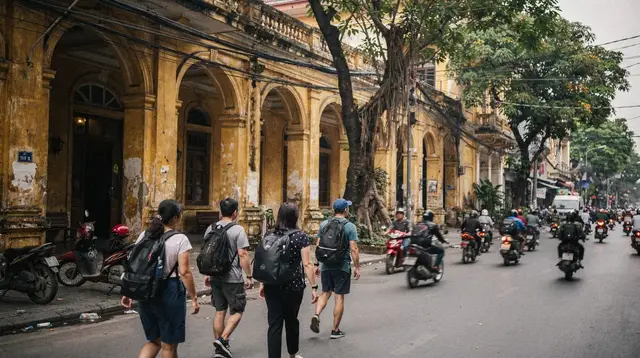
Whichever month I land, the core of my bag never changes: loose, breathable, quick-dry clothing. Cotton feels nice for about an hour here before it gets damp and stays that way, so I lean on technical or linen-blend fabrics instead — the kind that dry overnight on a hotel balcony. A few short-sleeve shirts, a couple of pairs of light trousers or shorts, and one or two loose dresses or lightweight shirts for evenings cover most days, whether I am wandering District 1 or riding a boat through the canals near the Mekong Delta.
I always throw in one long-sleeve, lightweight shirt too, and not for warmth. It is for sun on a boat, for mosquitoes at dusk near Cu Chi or in the delta, and for covering shoulders if I duck into a pagoda. That one shirt earns its space in the bag more than almost anything else I pack.
Dry season: sun protection over warmth
During the dry season, the temptation is to pack for heat alone, and mostly that is right — but I still add one thin layer I would never think to bring for a tropical trip anywhere else: a light long-sleeve top or a thin cardigan for evenings. Restaurants, buses and the airport run their air conditioning cold, and a handful of dry-season evenings, especially later in the season, do feel noticeably milder after sunset. It is not a jacket-and-scarf kind of cool, just enough that bare shoulders feel a bit much on a rooftop bar or a night boat. That thin layer, plus a hat and proper sunscreen, is really all the dry season asks of a bag.
I keep sun protection non-negotiable regardless of the month: a wide-brim hat or cap, sunglasses, and reef-safe sunscreen I reapply more than feels necessary. That matters as much on the Saigon River as it does walking around Ben Thanh Market.
Rainy season: plan for a downpour, not a monsoon
The wet season scares people more than it should, and packing for it is less about staying dry all day and more about surviving twenty violent minutes in the late afternoon. I carry a packable rain shell that folds down small, and I have started buying a cheap plastic poncho locally instead — it costs almost nothing and does the same job when I am caught out without my bag. A small dry pouch or a couple of zip-lock bags for my phone, passport and cash lives in my daypack the whole trip, because the rain here arrives fast and does not ask politely.
Footwear is where the rainy season actually changes my packing. I swap one pair of trainers for quick-dry sandals or water-friendly shoes, since streets do flood briefly after a heavy downpour and wet sneakers take a day to dry in humid air. A small umbrella rides along too — less for the rain itself, more because it is easier to open on the spot than a full rain jacket when I am stepping between a café door and a waiting taxi.
What I actually leave at home
No jacket, no jumper, no thermal layer of any kind — I mention this because I still see other travellers dragging them out of suitcases at the hotel, having packed for a Vietnamese winter that only exists a thousand kilometres north. I also skip heavy hiking boots; the walking here is mostly city pavement, market lanes and the odd boardwalk through a mangrove reserve, not mountain trails. And I stopped bringing a big first umbrella-and-jacket combo years ago — one packable shell plus a cheap local poncho covers the same ground for a fraction of the bulk.
A day-trip version of the same bag
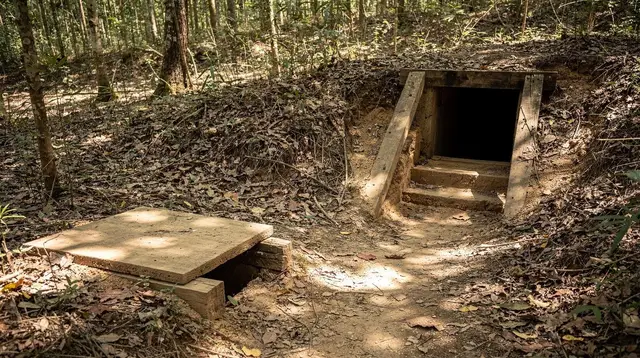
For day trips out of the city, my bag barely changes, it just gets smaller. On a day exploring Cu Chi Tunnels, I add a refillable water bottle, the long-sleeve shirt for shade, and closed shoes rather than sandals, since the ground is uneven. On the water — a canal ride, a sampan, or a full day out with a small-group Mekong Delta day trip — I pack the dry pouch, a hat with a chin strap so it does not blow off, and sandals I do not mind getting wet.
For an evening on the river, like a Saigon River dinner cruise, I bring that one slightly dressier outfit along with the light layer, since the breeze on deck after dark is the closest thing to cool this city offers.
If tunnels and temples are on the itinerary together, say on a Cu Chi Tunnels day tour or a longer loop through the delta with a classic one-day Mekong Delta tour, the packing logic stays identical: breathable base layers, sun protection, a rain layer if it is wet season, and nothing warmer than that thin cardigan for the bus ride home.
Practical extras I never skip
A universal adapter covers the Type A and Type C sockets here, a power bank keeps my phone alive through long days out, and I always carry my passport details and visa confirmation as a photo and a paper copy, kept separately from the original. Tap water is not drinkable, so I travel with a reusable bottle and refill from filtered stations or buy bottled water rather than packing anything elaborate for purification. None of this is glamorous, but it is the difference between a bag that works for the whole trip and one I am rummaging through at 6 a.m. before a transfer.
Beyond the season, the rest of the planning — how many days to give the city versus the delta and the coast, and how to get between them — is covered on the planning guide for the city, delta and coast and the how many days in southern Vietnam page, alongside notes on crossing the street safely and getting through Tan Son Nhat airport without the wrong currency or a dead phone. If your dates land near Tet, pack a little extra patience along with your clothes — that is its own kind of preparation.
Ho Chi Minh City packing questions I get asked most
Do I need warm clothes for Ho Chi Minh City in winter?
No. The south has no cold season. What people call winter here is just the dry season, still warm during the day, with at most a mildly cooler evening. Save the jacket for a trip to the north.
What should I pack for the rainy season?
A compact packable rain jacket or a cheap local poncho, a dry bag or a couple of zip-lock bags for your phone and passport, and shoes that can get wet and dry fast. The rain is usually a short, heavy downpour in the late afternoon, not an all-day soak.
Is it cooler in the Mekong Delta or on the coast than in the city?
Not meaningfully. Humidity and sun exposure change more than temperature does. Pack the same base layers for Can Tho, Mui Ne or Con Dao as for District 1, and add more sun protection near water and on boats.
Should I bring smart clothes for restaurants or temples?
One slightly dressier outfit is enough for a nicer dinner or a rooftop bar. For temples and pagodas, bring something that covers shoulders and knees, which for me is usually a light long-sleeve shirt and looser trousers I already packed for the sun.
What shoes are best for Ho Chi Minh City and day trips?
Comfortable, breathable walking shoes or sandals with a good grip for the city, plus a pair of quick-dry sandals for boat trips in the Mekong Delta or Can Gio. Heavy hiking boots are unnecessary for this itinerary.
Do I need an umbrella if I am packing a rain jacket?
I bring a small folding umbrella anyway. It works better than a jacket for ducking between a café and a taxi during a downpour, and it doubles as shade during the hottest hours of the dry season.
What electronics and adapters should I pack?
A universal or Type A/C adapter for 220V sockets, a portable power bank for long days out, and a dry pouch for your phone if you are doing river or canal trips. Continental European plugs usually fit directly.
tours.Practical
Verified deep-linked GetYourGuide tours. Book through these links and we earn a small commission at no cost to you.
GetYourGuide does not provide a product photo for this activity — the image shows the meeting point, photographed by us.