Water and Basic Health in Ho Chi Minh City
Can I drink the tap water in Ho Chi Minh City?
No, tap water in Ho Chi Minh City is not considered drinkable, even in modern apartments and hotels. Bottled or filtered water is the norm for drinking and brushing teeth, while ice and washed produce in established restaurants and cafes are generally treated as safe. This page covers the basic reflexes, not street food safety, which has its own guide.
The first thing I tell anyone visiting me in Ho Chi Minh City is the same thing every guidebook says, but I want to explain why I actually follow it rather than just repeat it: the tap water here is not drinkable, full stop, no exceptions for a nice hotel or a new apartment tower. I learned to treat this as a fixed rule rather than something to judge case by case, and that single decision removes most of the anxiety around water for the rest of the trip.
Why I never drink from the tap, even somewhere nice
Ho Chi Minh City’s municipal water system was never built to a standard where the water coming out of the tap is safe to drink untreated, and that has nothing to do with how new or clean a building looks. A glossy serviced apartment in Binh Thanh and a guesthouse near Bui Vien draw from the same municipal supply, so I apply the same rule everywhere: tap water is for washing and showering, not drinking. I keep a bottle of filtered or bottled water by the sink and use it to brush my teeth too, which sounds fussy until you remember how much water actually passes your lips that way over a two-week trip.
Bottled water is genuinely everywhere, which is the one thing that makes this rule painless to follow. Minimarts, hotel lobbies, street stalls and every restaurant sell it, and I buy a couple of large bottles whenever I check into a place and just keep refilling a smaller one from those. The habit costs almost no thought once it is set.
The confusion I want to clear up: sealed bottled water is not tap water
Here is the mix-up I see travellers make constantly, sometimes to the point of skipping bottled water altogether out of general nervousness about “the water in Vietnam.” A sealed bottle bought from a shop has gone through industrial filtration and bottling, and it carries a factory seal that tells you it has not been opened or refilled. That is categorically different from water straight from the tap, which has had no equivalent treatment. Being cautious about tap water is correct; extending that same caution to a properly sealed bottle is not, and it just makes a trip harder than it needs to be.
The one check I do bother with is the seal itself. Before I open a bottle, especially one bought from a stall rather than a fridge in a shop, I make sure the cap has that faint resistance and click of an unbroken seal. Refilled bottles do circulate in a few tourist-heavy corners, and an intact seal is the simple way to rule that out.
Ice, and why I stopped worrying about it at real restaurants
Ice was the thing I worried about most before my first trip, and it turned out to be one of the easier calls. At restaurants, hotels and cafes with an actual kitchen and fridge, ice is produced industrially from treated water, not scooped from a bucket of tap water someone froze at home. I drink iced coffee constantly here, including the classic ca phe sua da, without a second thought at places like that. Where I am a little more careful is at the most improvised setups, a cart with no visible water source or fridge, simply because I cannot see where the ice came from, not because ice itself is inherently risky.
Washed fruit and produce, in general terms
Fresh fruit is one of the real pleasures of the south, and at restaurants aimed at travellers, and at most mid-range and upscale places generally, fruit and salad greens are rinsed with filtered or treated water as a matter of course. I do not treat a fruit plate at a proper restaurant as a gamble. Where I slow down a little is pre-cut fruit sitting out on an open cart in direct heat for hours, and even there my hesitation is more about how long it has been exposed than about the water it was washed in. I want to be clear that this page is not trying to relitigate street food safety in general, which involves a whole separate set of judgment calls around stalls and cooking methods and deserves its own page rather than a paragraph here.
The basic health reflexes that actually matter
Beyond water itself, the habit that has served me best in the south is drinking steadily through the day rather than waiting until I feel thirsty. Humidity here means you lose fluid faster than the temperature alone would suggest, and by the time thirst kicks in you are often already behind. I also pace outdoor time around the hottest stretch of the day when I can, saving markets and walking tours for morning or late afternoon and treating midday as a good excuse for an air-conditioned lunch or a coffee break.
None of this amounts to medical advice, and I am not qualified to give any; it is just the set of habits that has kept my own trips comfortable. If something feels genuinely off, seeing a doctor is the right call, not reading another travel blog.
Carrying enough water on day trips out of the city
This matters more the moment you leave central districts, because the reflex of “I’ll just buy water when I need it” gets less reliable outside the city. Long stretches on the road toward Cu Chi or deep into the Mekong Delta pass through areas with fewer shops than District 1, so I start those mornings with a full bottle already in hand rather than assuming I will spot a minimart along the way.
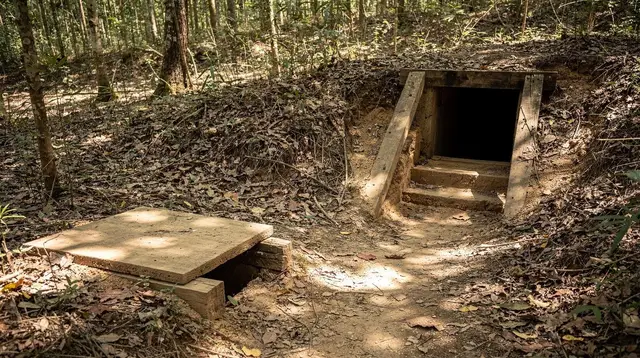
I do this even on organised day trips. On a day like the Cu Chi Tunnels and waterfall day trip, there is real time outdoors walking between tunnel sections and a waterfall stop, and I would rather have my own bottle than rely on a single vending stop. If I want the same itinerary with more flexibility to pace myself, the private version of that Cu Chi and waterfall tour lets me set the breaks around the heat rather than around a group schedule.
Boats add their own version of this. A river outing like the Saigon River dinner cruise with a buffet is easy on that front since drinks are part of the evening, but a full day on Mekong Delta waterways is different: on something like a small-group Mekong Delta day trip, the water is calm and the boats are shaded, yet the heat over open water builds all the same, so I still bring my own bottle rather than counting on a shop at every stop.
What I pack and plan around this
Two sealed bottles bought the evening before, plus a refillable bottle I top up from a bigger one at breakfast, gets me through most full days away from the hotel. For anyone building out a wider packing list, I have a separate rundown of what actually earns its space in a bag for this climate, and it is worth reading alongside this page rather than instead of it.
Getting around the city itself rarely tests any of this, since getting around Saigon by ride-hailing app or taxi means you are never far from a shop, and the busy pace of crossing the street in Saigon is honestly a bigger daily adjustment than water ever is. It is the day trips further out, or a longer loop through the delta, where planning ahead actually matters.
A short list before you go
- Buy bottled water with an intact seal, or use a hotel’s filtered water station if it has one.
- Treat tap water as for washing only, including when brushing your teeth.
- Relax about ice and washed fruit at proper restaurants and cafes.
- Carry your own water on any day trip outside central districts.
- Pace outdoor time around the hottest hours rather than fighting them.
None of this is complicated once it becomes routine, and it stopped crossing my mind entirely after the first few days of my first trip. If you want the fuller planning picture, my guides on practical travel tips, on the visa and entry process, and on what to pack cover the rest of the groundwork, while a look at street food safety and common scams rounds out the practical side of a first trip to the south.
Seasonal timing also shapes how much this all matters day to day, so it is worth reading how the rainy season and the dry season differ, and pairing that with a local SIM or eSIM so you can always look up the nearest shop if you run low. For a full first day in the city built around exactly this kind of easy pacing, I also like the classic one-day Mekong Delta tour, which keeps stops close enough together that staying hydrated never becomes a chore.
FAQ: water and health basics in Ho Chi Minh City
Can I drink the tap water in Ho Chi Minh City?
No. Tap water here is not treated to a drinkable standard, and that is true across the city, not just in older buildings. I drink bottled or filtered water the entire time I am in the south, including for brushing my teeth.
Is ice safe to put in my drink?
In established restaurants, hotels and cafes, ice is made industrially from treated water and is generally fine. I am more relaxed about ice at a sit-down place with a fridge and a menu than at a cart with no visible water source.
Is bottled water actually different from tap water?
Yes, and this is the mix-up I want to correct. A sealed bottle from a shop is a manufactured, treated product with a factory seal, while tap water has had no such treatment. Treating the two as equally risky is wrong and makes travel here needlessly stressful.
How do I know a water bottle hasn’t been refilled?
I check that the cap seal is intact and unbroken before I open it, and I buy from a shop or minimart rather than a loose stall with bottles sitting in the sun. If a cap twists off without any resistance or click, I do not drink from it.
Do I need to worry about washed fruit and salads?
At restaurants aimed at travellers and mid-range or upscale places, fruit and salad leaves are washed with filtered or treated water as standard practice. I am more cautious with pre-cut fruit sold from an open cart in the heat, less because of the wash water and more because of how long it has been sitting out.
What basic health habits matter most in the heat and humidity?
Drinking water steadily through the day, not just when I feel thirsty, and pacing outdoor time around the hottest hours are what actually keep me comfortable. Humidity here makes dehydration sneak up faster than it does back home, even on a day that does not feel especially hot.
Should I bring my own water bottle on day trips?
Yes, a refillable bottle plus one or two sealed bottles bought before departure covers a full day away from the city. Day trips toward Cu Chi and the Mekong Delta involve long stretches with fewer shops, so I never assume I can buy water exactly when I want it.
Does this page cover street food safety too?
No, deliberately not. Street food carries its own set of judgment calls around stalls, turnover and cooking methods, and I cover that separately rather than folding it into a page about water and general health habits.
tours.Practical
Verified deep-linked GetYourGuide tours. Book through these links and we earn a small commission at no cost to you.
GetYourGuide does not provide a product photo for this activity — the image shows the meeting point, photographed by us.