District 3 Neighborhood Guide: Saigon's Quiet Residential District
Is District 3 just part of District 1 in Ho Chi Minh City?
No. District 3 is its own administrative district, immediately next to District 1 but distinct from it. It is mostly residential and low-rise, built up around French-era villas and later infill housing, with a slower pace, tree-lined streets and a dense cluster of independent coffee shops rather than the commercial core and landmark monuments concentrated in District 1.
Why District 3 Is Not Just an Extension of District 1
Say “District 1” and most visitors to Ho Chi Minh City picture Ben Thanh Market, Dong Khoi and the cluster of landmarks that define the city’s commercial center. District 3 sits directly beside it, and the two are close enough that plenty of travelers cross the boundary between them without ever registering that they have left one district and entered another. That’s a mistake worth correcting, because District 3 is not a quieter suburb of District 1 — it is its own administrative district, with its own character, its own building stock and its own rhythm.
Where District 1 grew as the city’s commercial and administrative core, District 3 developed primarily as a residential quarter. It never accumulated the same density of hotels, department stores or single-ticket attractions, and it was never meant to. What it did accumulate, over more than a century, is a particular kind of streetscape: low garden villas set behind walls and gates, tree cover that softens the tropical heat, and a network of side streets that stayed narrow and slow even as the city around them grew upward and outward.
For a full walk through the district that gets top billing in most guidebooks, see the separate District 1 neighborhood guide — this page deliberately stays out of that territory and focuses on what makes its neighbor different.
A Different Architectural Layer: Villas, Gardens and Later Infill
The single clearest way to understand District 3 is through its buildings. Much of the district was laid out during the French colonial period as a residential zone for administrators and merchants who wanted space and quiet within easy reach of the commercial center. That intention shows in the surviving villa stock: two-story houses with shuttered windows, iron balustrades, tiled roofs and small front gardens, often set back from the street behind a low wall and a metal gate. Many of these villas have been repurposed over the decades — into consulates, private offices, boutique cafes, language schools and family homes — but the shell of the building, and the proportions of the streets they sit on, have largely survived.
This is a different architectural layer from what dominates District 1, where towers, hotels and large commercial frontages have replaced most of the low-rise fabric except around a small set of protected landmarks. District 3 never went through the same wholesale rebuilding. Instead it absorbed growth by infilling: narrow “tube houses” squeezed onto slivers of land between or behind the older villas, a pattern found across much of Vietnam’s urban housing stock.
Walking a single block in District 3 often means passing a shuttered colonial facade, a converted villa now operating as a design studio or cafe, and a slim modern infill house rising four or five stories on a plot barely wide enough for a staircase — three eras of construction sitting shoulder to shoulder without any of them being staged for visitors.
The result feels lived-in rather than curated. There is no single square or boulevard in District 3 built for foot traffic and photographs the way Nguyen Hue or Dong Khoi were shaped in District 1. What District 3 offers instead is texture: shaded streets, peeling paint, potted plants crowding a windowsill, and the ordinary business of a residential neighborhood going on around you.
Streets to Walk: The Villa Blocks Between the Main Roads
District 3’s grid rewards slow, undirected walking more than it rewards a fixed itinerary. The most rewarding streets are generally the secondary ones — the quieter parallel roads running between the district’s busier through-routes — where villa frontages survive in longer, more continuous stretches and traffic drops away almost entirely. These are streets built for foot and bicycle traffic long before motorbikes took over the city, and many of them still feel that way, with front gardens spilling slightly over their walls and shopfronts converted from what were once clearly private homes.
It’s easy to combine a walk through these residential streets with a stop at one of the district’s better-known religious sites, since several sit within the same fabric of low buildings rather than standing apart from it. For visitors interested in the city’s religious architecture more broadly, the Jade Emperor Pagoda guide and the Notre-Dame Cathedral and Central Post Office guide cover the two most visited examples nearby, both of which sit close to the District 3 boundary and are often folded into the same outing.
Coffee Culture Concentrated in Converted Villas
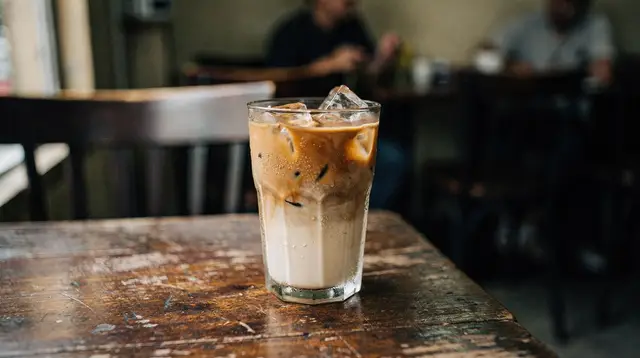
If District 1 is where Ho Chi Minh City’s rooftop bars and hotel lounges cluster — a scene covered in the Saigon rooftop bars guide — District 3 is where a different, quieter coffee culture has taken root.
The district’s stock of converted villas turned out to be ideal for the kind of independent, design-conscious cafe that has flourished across Vietnam over the past decade: a garden courtyard shaded by an old tree, a converted living room with mismatched furniture, a rooftop terrace built onto what used to be an attic. Because so many of these buildings were never meant for commercial use, each conversion tends to keep its own quirks — an original staircase, a checkerboard tile floor, shutters that still open onto the street.
This concentration of independent, villa-based cafes is one of the more distinctive things about spending unhurried time in District 3, and it connects to a broader theme covered in the Vietnamese coffee culture guide, which looks at how coffee shops function as social space across the city. In District 3 specifically, the draw isn’t a single famous address but the density of small, individually run spots tucked into ordinary residential blocks — the kind of discovery that rewards wandering rather than checking off a list.
Turtle Lake and the Public Spaces Around It
Among District 3’s handful of recognizable public landmarks, the roundabout and small lake informally known as Turtle Lake sits at a junction that residents use as an everyday meeting point rather than a tourist site. It functions less as an attraction in its own right and more as an anchor for the surrounding blocks — a place where several of the district’s residential streets converge, with a scattering of casual food stalls and drink stands nearby that serve the neighborhood rather than a tour itinerary. It’s worth knowing about mainly because it helps orient a walk through the surrounding villa streets rather than because it demands a dedicated visit.
Pagodas and Quiet Corners Away from the Tour Groups
District 3 holds a number of smaller pagodas and temples that don’t appear on most first-time visitor itineraries, tucked between residential buildings rather than standing on open squares. These sites tend to draw local worshippers going about ordinary religious practice — incense being lit, offerings being arranged — rather than tour groups moving through on a schedule. Visiting them works best as an extension of an unplanned walk through the district rather than as a separate outing, and the etiquette that applies to any active place of worship in the city applies here too: modest dress, quiet movement, and asking before photographing anyone inside.
How District 3 Relates to the Rest of the City
District 3 borders District 1 directly, which is why the two are so often visited back to back, and it also sits close to District 4 and the wider central cluster of districts that make up the urban core described in the Ho Chi Minh City destination overview.
Compared with the Chinatown district of Cholon, with its market halls and clan-association temples, or the newer riverside development of Thao Dien across the river in Thu Duc City, District 3 reads as neither historic-commercial nor newly built — it is the city’s older residential middle ground, shaped by decades of incremental change rather than a single defining project.
That positioning also makes District 3 a reasonable base for travelers weighing where to stay. It sits close enough to District 1’s restaurants, transport links and evening activity to reach them without difficulty, while offering streets that stay noticeably quieter after dark. The comparison across neighborhoods, including District 3 alongside District 4’s street food scene and the canal-side stretch of Binh Thanh, is laid out in more detail in the guide to choosing where to stay in Saigon by neighborhood.
Day Trips That Start Near District 3
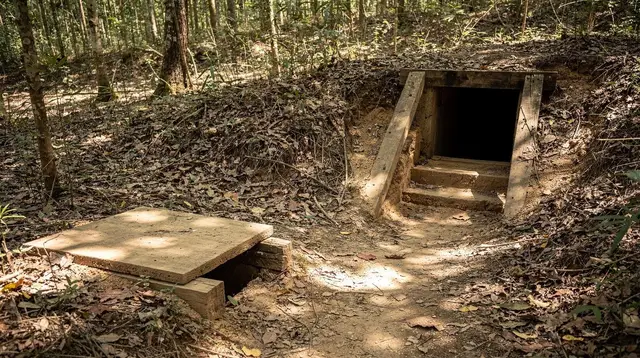
Because District 3 sits so close to the city’s transport hubs and tour pickup points, it works well as a starting point for the longer excursions that leave the city altogether. Travelers based here are just as well placed as those staying in District 1 to join a day trip out to the tunnel network north-west of the city — see the details on the guided tour of the Cu Chi Tunnels or the version built around a zipline add-on at the tunnels for a more active variant.
Longer excursions toward the coast and the delta also typically depart from pickup points within easy reach of District 3. A private tour to the coastal city of Vung Tau suits travelers who want a full day away from the city on their own schedule, while a Mekong Delta excursion with a Spanish-speaking guide is worth flagging for anyone who prefers a tour led in that language.
Those planning to combine District 3’s quieter streets with a broader look at the city’s attractions can build a fuller day around the one-day Ho Chi Minh City highlights itinerary, while a full list of organized activities across the city sits in the things to do in Ho Chi Minh City hub.
Practical Notes for Visiting District 3
There is no ticket booth or single entry point to District 3 — it is a residential district, not an attraction, and it rewards being treated that way. The most useful approach is to arrive with a rough sense of which streets have the highest concentration of surviving villas and which pagodas or cafes you’d like to see, then let the walk wander rather than following a fixed route. Traffic on the district’s secondary streets is noticeably lighter than on the main roads that cut through it, which makes walking or cycling a genuinely pleasant way to move around rather than something to endure.
Because so much of District 3’s appeal is residential and low-key, it’s worth being mindful that many of the buildings you’ll pass are private homes, not attractions — a courteous distance and a quiet camera go a long way. The district also doesn’t concentrate its food and drink scene into a single strip the way some other neighborhoods do; instead it’s spread thinly across converted villas and street corners, so a slower pace of exploring tends to turn up more than a rushed one.
District 3, Ho Chi Minh City: Frequently Asked Questions
Is District 3 the same as District 1?
No. They share a border and some visitors cross between them without noticing, but District 3 is administratively separate and functions differently — it is largely residential, with far fewer hotels, malls and single-ticket attractions than District 1’s commercial core.
What makes District 3 different from District 1 architecturally?
District 3 kept a much higher share of its French-era villas, many now converted into homes, offices or cafes behind garden walls, alongside newer infill housing squeezed onto the same plots. District 1 by contrast is dominated by commercial towers, hotels and government buildings built up and around a smaller set of preserved landmarks.
Are there tourist attractions in District 3?
District 3 has a handful of pagodas and quiet public spaces, but it is not built around a checklist of monuments the way District 1 is. Most visitors experience it by walking or cycling through its streets and stopping at cafes rather than moving between ticketed sites.
Is District 3 walkable?
Yes, more so than much of the city. Many of its residential streets carry lighter traffic than the main arteries of District 1, and its scale — low villas rather than towers — makes it comfortable to explore slowly on foot.
Where does District 3 sit relative to District 1?
District 3 sits directly alongside District 1, on its western side, sharing several boundary streets with it. The two are easy to combine on the same outing, but they read as separate neighborhoods once you are inside them.
Is District 3 a good base for staying in Ho Chi Minh City?
It suits travelers who want quieter streets and a residential feel while staying close enough to District 1’s restaurants, bars and transport links to reach them easily on foot or by a short ride.
What is there to do in District 3 in the evening?
District 3’s evening scene is centered on its independent cafes and a scattering of low-key bars and restaurants tucked into converted villas, rather than the nightlife strips found elsewhere in the city.
Ho Chi Minh City by Neighborhood
Verified deep-linked GetYourGuide tours. Book through these links and we earn a small commission at no cost to you.
GetYourGuide does not provide a product photo for this activity — the image shows the meeting point, photographed by us.